
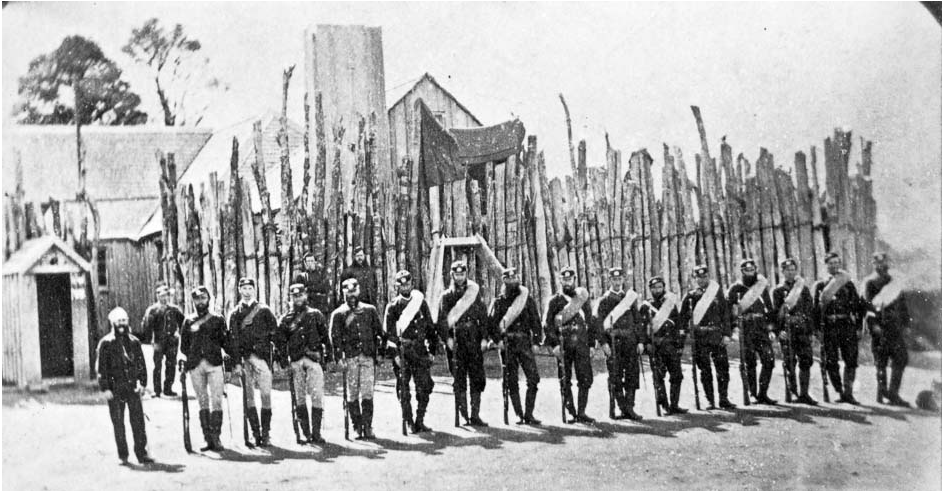
The untold story of Charles Sawyer
History is written in the victors glory on proud masculine erect monuments… until they break and crack as time yawns and forgets and the great and grand children of now don’t know nor care, and grandpa’s grave fades and fall, laying forgotten below motorway bridges, under used syringes and broken bottles.
In the small rural town of Manaia in the southern shadows of the watchful Mount Taranaki lies a 18 foot Obelisk of hard Scottish granite, a War Memorial dedicated to 71 men of the Armed Constabulary and Patea Field Militia, lives lost in service between 1868 and 1869 in separate engagements against Riwha Tītokowaru and Te Kooti Arikirangi Te Tūruki.
It cost a princely sum of £700 in old money and was largely funded from the victors spoils in the New Zealand Wars.
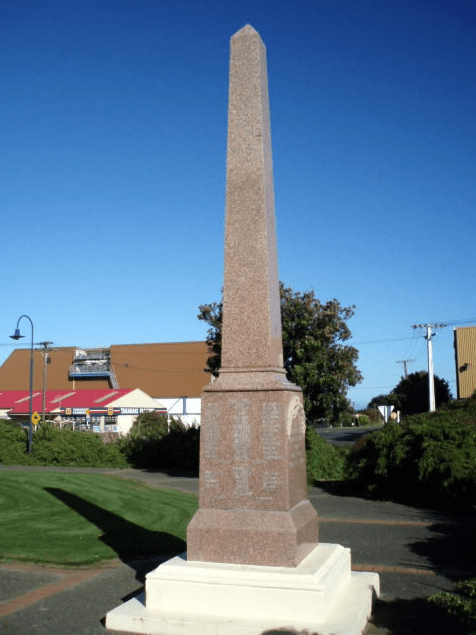
The conflicts commemorated in time ago upon this solemn rock, with faded names and deeds forgot are largely ignored and seldom read, young men’s names written on the wrong side of history. For although the victors write the past, time and apathy will permeate through the foundations, cracking and crumbling as much as wind and rain.
The “Old Country” a band, pound and pence all spent, the Union Jack quartered and the history books unread, recycled into Ikea shelves and egg cartons. Te Reo lives, Matariki celebrated, Aoteraroa our name, a new narrative whispers… change!
And what of these 71 names etched in pain and death in Manaia? The sons, fathers, brothers of bereaved wives, sisters and mothers…
Do we remember them? We must remember them
For to not is to relive the past
Charles Sawyer was born in North London on the 15th of September 1848 to William Sawyer and Mary Newman. He had a elder brother William, and younger siblings John, Elizabeth, Eden Harriet, Arthur, Caroline and Augusta. The family applied to come to New Zealand under the Waikato Immigration Scheme and boarded the ship Bombay to make the long voyage from London Docks to Auckland on the 22nd of November,1864… Not all will survive.
Caroline Sawyer, just five years old, died on the 22nd of January,1865 as the Bombay rounded the Cape of Good Hope, the family had watched helplessly as she suffered for 21 days from illness before passing to the deep.
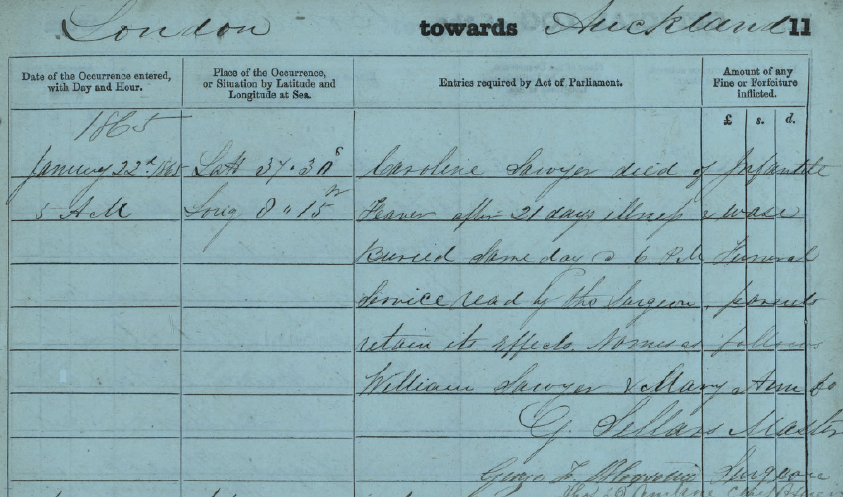
The family made it to Auckland on March the 18th,1865. They had left a desperate, dark Dickenson London, full of Twists and Fagan’s to find new hardships, no work, hunger and little provisions. The many settlers from the ship including the Sawyer’s settled in Williamson Clearing soon to be renamed Bombay and over time, by hand, sweat, broken backs and sunburnt necks cleared the forest and built a life.
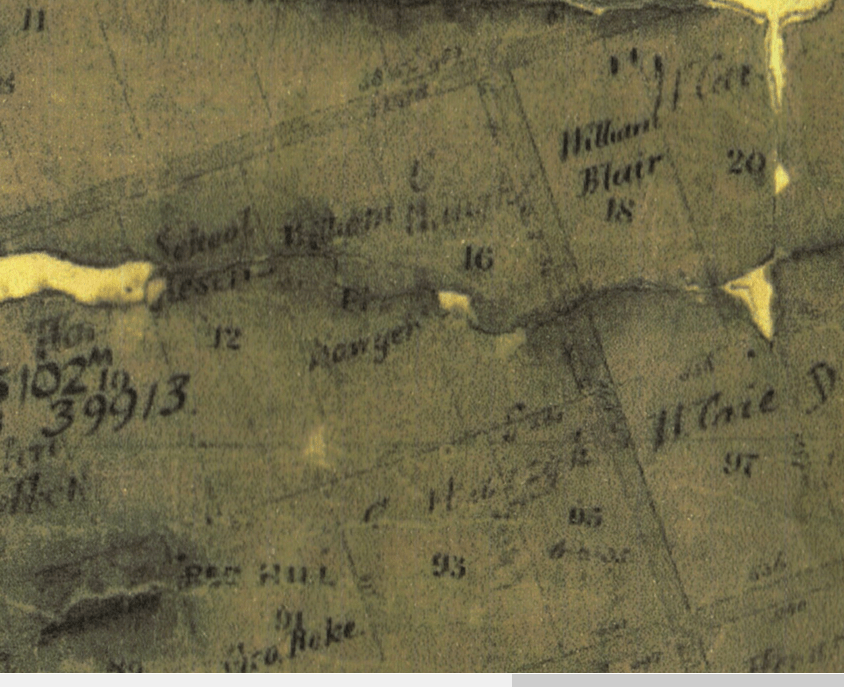
Charles parents soon had several more children to feed Mary, Kate and latter Harry. With little way to supplement the families depleted saving and few prospects to earn a wage, Charles jumped at the chance to join the newly formed 1st Armed Constabulary in 1868, and be able to send a few shillings and pence home to feed the family.
But with a daily pay of 4 shillings, and 6 shillings per month for clothing allowance, and the cost of rations to be borne by the Constable, it was hardly a fortune.

With brief training Charles was soon called into action, and found himself at arms, sent to fight Te Kooti and storm his formidable defenses at Ngātapa, but before that he faced long days cutting tracks, hauling ammunition and provisions, digging fire-pits and defenses, well earning his 4 shillings.
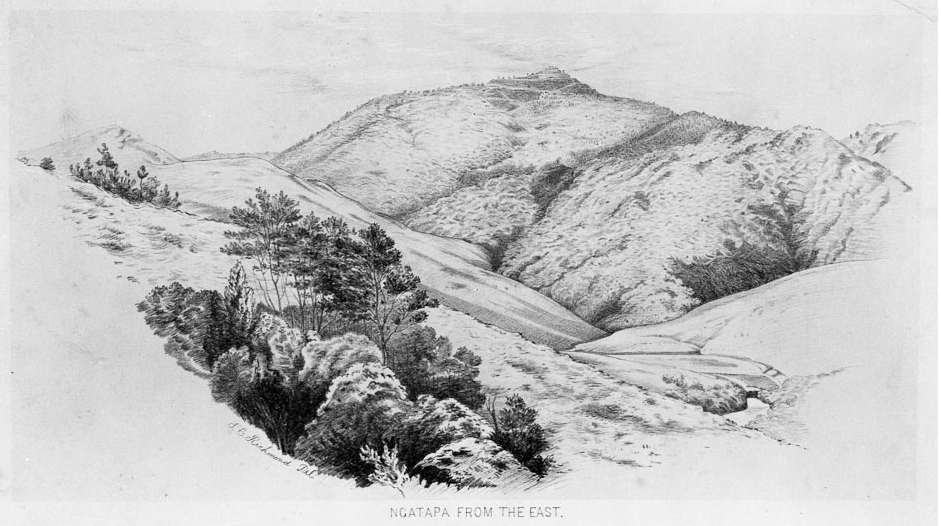
Colonel Whitmore wrote on the 30th of December,1868… “The position of Ngatapa is by a great deal the most difficult and strongest I have ever seen in this country: and of those in my camp both European and Native have ever met met with a stronger. Raising abruptly out of a confused and tormented mass of forest clad hills, a single cone-shaped mountain raises, conspicuous from its height and isolation. it is covered with bush, which has been to some extent cut down and burnt. The apex of the hill, which is perhaps 2,000 feet high, is girt by a triple line of fortifications, and of those the two inner ones raise to a height of 12 feet. Rifle pits guard the front and water, which is at a distant of two chains; and a scarped ridge, said to be impracticable for the descent of the garrison, terminates two, if not all three, of the parapets.”
Like his nephews will soon discover in the horrors of the First World War, Charles will soon be called into action against a well entrenched enemy and on the 2nd of January Colonel Whitmore recalls the actions…
“All the 2nd the enemy was watching for an outlet, and whenever, and whenever a few shells were thrown into the place, made a rush somewhere along the line to try and get out. Major Fraser repulsed several sorties, in one of which the men came to hand to hand struggle, and three of our men were hurled over the precipice, while four of the enemy were killed…”
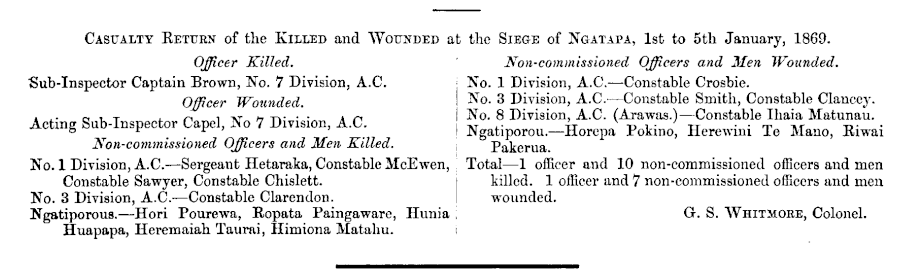
It would be many days before William and Mary Sawyer, anxiously waiting at home will hear news of there son, and when the first casualty lists appeared in there local press, fear and anxiety must have prevailed. Hope faded as time went on and William will write a letter in April,1870 enquiring into the possessions and effects of Charles.

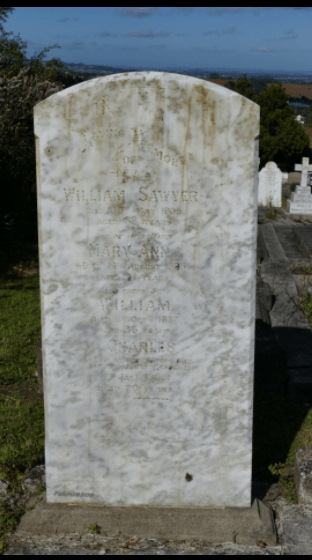
Charles died aged 20, fighting in desperate hand to hand combat and falling to his death. He has a name on a monument and a faded gravestone shared with his family. He did not I believe fight for Queen and Country, glory and flag… but for family and love and hope.
As someone that also served I can only look at the past with the eyes of hindsight and the wisdom of time. I did not care for Officers and gave a damn about lofty ideals or a cause. I stood with my brothers, and sisters to live, laugh and pray for a easy day, without beasting or bullshit… much like Charles did as he humped wooden crates of ammo up muddy steep tracks day in/day out. Why do we remember a faded name on a monument for a battle that time forgot?… So we never forget!

 THE SHIP BOMBAY!
Leave a comment